Here’s an expensive mistake homeowners make: spending thousands on radiant floor heating only to pair it with tiles that block heat like a winter coat. The result? Lukewarm floors, skyrocketing energy bills, and cracks spreading across your investment. Wrong tile choices don’t just underperform—they sabotage your entire heating system, waste money daily, and can cause permanent damage.
At Silver Bo Stone LLC, we’ve spent 24 years helping homeowners avoid these costly errors and choose materials that actually work with their heating systems.
Installing in-floor heating? Your tile matters more than the system itself. We’re covering everything from materials that transfer heat fastest to installation tricks that prevent system damage. Let’s get your heated floors right the first time.
Why Your Tile Choice Makes or Breaks In-Floor Heating
Think of your tile as either a conductor or a barrier. The right material channels warmth from your heating elements straight to your feet. The wrong one? It traps heat underneath, forcing your system to overwork while you stand on disappointingly cool floors.
The thermal conductivity of tiles determines success. High-conductivity materials spread heat evenly and quickly. Poor conductors create frustrating hot and cold zones that no amount of system adjustment can fix. Your tile literally controls whether your investment pays off or falls flat.
Best Tiles for Quick & Even Heat Transfer
Some materials were practically designed for radiant floor heating tiles, while others fight against them.
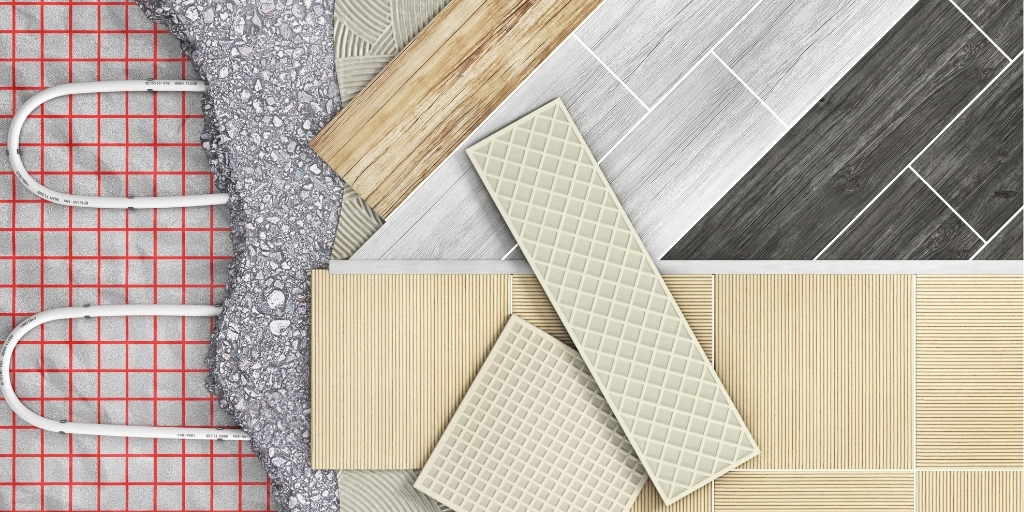
The best performers share key traits: density, low porosity, and natural heat conductivity. Here’s what actually works when you need heat-conductive flooring materials that deliver.
Porcelain Comes Out on Top
Because of its dense structure, porcelain is the best material for heated floors. It heats up quickly, spreads warmth evenly, and doesn’t crack when the temperature changes. Porcelain always works well in bathrooms, kitchens, or any other room that needs it.
Ceramic Offers Solid Performance
When weighing ceramic vs porcelain for heated floors, ceramic holds its own. Slightly less dense but still excellent at conducting heat, ceramic costs less while keeping your toes warm. It’s a smart choice for budget-conscious projects that won’t compromise comfort.
Natural Stone- When Done Right
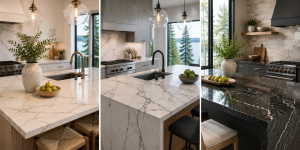
Marble, slate, and certain limestone varieties work beautifully over radiant systems. Marble conducts heat exceptionally well while adding luxury. Slate’s density ensures even distribution. Just stick to appropriate thicknesses, and you’ll get gorgeous results.
Quick Reality Check: A porcelain tile heats your floor in 30-45 minutes. The wrong material? You’re waiting 2+ hours for the same warmth, if you ever get there.
Tiles You Should Never Use Over Radiant Heat
Some materials look perfect until you pair them with heating systems. Then they become expensive problems.
Skip These Completely:
- Extra-Thick Natural Stone: Anything over 3/4 inch acts like insulation rather than flooring. Heat gets trapped below the surface, never reaching where you need it. Your system runs constantly, accomplishing nothing.
- Cork or Vinyl: Cork literally insulates—the opposite of what heated floors need. Vinyl warps and degrades under temperature fluctuations. Both belong nowhere near radiant systems, making them clear examples of flooring not suitable for radiant heat.
- Certain Engineered Products: Some tiles hide insulating backing layers that manufacturers don’t advertise clearly. Always verify compatibility before buying anything labeled “engineered.”
Right Thickness, Size & Layout for Heated Floors
Getting the right measurements is what makes the difference between successful installations and frustrating failures.
The thickness, size, and layout all have an effect on how well heat gets to your space. This is what really works in the real world.
- The Thickness Sweet Spot
Tile thickness for radiant heat should land between 3/8 and 5/8 inch. Thinner heats up faster, but it doesn’t last as long. Thicker makes things stronger, but it also slows down the transfer of heat. That middle range gives you both long-lasting performance and performance.
- Size Strategy
Large-format tiles for heated floors offer real advantages—fewer grout lines mean more consistent warmth. We typically recommend 12×24 to 24×24 inch formats. They provide modern aesthetics while optimizing heat distribution. Just ensure your substrate is perfectly flat, or large formats will highlight every imperfection.
- Important Layout Factors to Consider
The best patterns for even heat distribution are running bond and straight stack. Herringbone looks great, but it needs more cuts and makes the heat flow a little more complicated. Pick based on what matters most to you: how it looks or how well it works.
Tiles That Hold Heat the Longest
Energy-efficient floor heating materials don’t just move heat around well; they also store it and let it out slowly even after your system turns off.
Porcelain That Retains Heat Longer
Dense porcelain absorbs a lot of heat and slowly releases it. Your floors stay warm and comfortable between heating cycles, which means the system doesn’t have to run as often.
Dense Natural Stone
Marble and slate are great at keeping things. Their molecular structure holds heat for a surprisingly long time after they are heated. These are great for heated bathroom floor tiles because they stay warm all the time.
Material | Heat-Up Sooed | Retention | Best For |
|---|---|---|---|
Porcelain | Fast | Excellent | All Spaces |
Ceramic | Fast | Good | Budget projects |
Marble | Moderate | Excellent | Luxury baths |
Slate | Moderate | Very Good | High-traffic areas |
Pro Tips for Installing Without Causing Damage
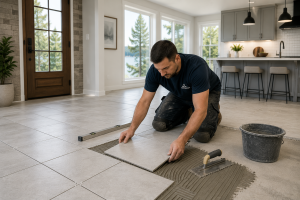
If you don’t install them correctly, even the best tiles for underfloor heating won’t work. This is how we keep systems safe and make sure they work for decades.
- Substrate Must Be Perfect: Debris or unevenness damages heating elements during installation. We verify flatness to 1/8 inch over 10 feet—no exceptions.
- Use Proper Adhesive: Modified thin-set rated for radiant heat is non-negotiable. Standard adhesives fail under temperature cycling. The right product bonds strongly while flexing with thermal expansion.
- Protect While Working: Never cut tiles over the heating system. Don’t pull things across cables. Before, during, and after installation, check the system’s continuity. One mistake can ruin hours of work.
- Controlling Expansion: Put in expansion joints every 20 to 25 feet and around the edges of the room. Use flexible grout in places where things move. This one step stops most cracking problems.
- Temperature Limits Are Important: Keep your floor surface at or below 85-90°F. Push it higher, and you’re asking for trouble; adhesives break down, tiles crack, and walking barefoot becomes unpleasant. Always check what the manufacturer recommends and stick to those numbers
Installation Truth Bomb: More radiant heating systems fail due to poor tile installation than from faulty heating elements. Get the tile work right or waste your entire investment.
Bringing It All Together: Your Heated Floor Success Plan
Radiant heating works great when you choose the right tiles. Ceramic and porcelain are the best materials for performance and value. Dense natural stones, on the other hand, add luxury and keep heat in well. Stick to a thickness of 3/8 to 5/8 inch, and consider using big formats to spread the weight evenly. Don’t use materials that insulate instead of conduct. Your choices directly affect how comfortable you are, how much energy you use, and how long your system will last.
For 24 years, we’ve helped homeowners at Silver Bo Stone LLC make these choices. You can now see and touch samples in our newly designed showroom on Bainbridge Island. This will help you pick materials that look great and work perfectly. We understand the technical requirements behind tile flooring Bainbridge Island residents rely on for both beauty and function. Whether you’re planning a bathroom renovation or warming your entire home, our team provides expert guidance on selecting the perfect tiles for underfloor heating systems.
Ready to get your heated floors right? Visit our showroom for a design consultation, or call us at (360) 297-4080. Let’s make your dream of warm, cozy floors
| Material | Heat-Up Speed | Retenetion | Best For |
|---|---|---|---|