The sound of footsteps above you all the time. The loud thud of things falling on your ceiling. The sound of muffled conversations coming from upstairs never stops. These aren’t just annoying; they happen every day and take away your peace, make it hard to sleep, and turn your home into a stress zone instead of a place to relax. Constant noise from the floor makes it hard to relax, hurts property values, and makes it hard to get along with neighbors. For 24 years, Silver Bo Stone LLC has been helping homeowners get their peace and quiet back by making smart flooring choices and doing good installation work.
If you want to update your kitchen, bathroom, or whole house’s floors, knowing how soundproof flooring works is very important. This guide explains how sound travels through floors, what materials really work for flooring noise reduction, and the best ways to install them.
How Sound Travels Through Floors
Your floor basically acts like a drum. Every footstep, dropped object, or shifted chair sends vibrations through the surface straight into the structure below. Sound doesn’t just go in one direction; it moves down through floor assemblies and bounces back up, affecting multiple rooms at once.
Hard surfaces like stone and tile make things worse. While these flooring materials for noise control look amazing, they bounce sound instead of soaking it up. The floor structure, joists, subflooring, and finish materials become a highway for vibrations traveling through your home.
Here’s what happens when you skip acoustic planning: That gorgeous tile floor in your upstairs bathroom turns into a percussion instrument for everyone below. Your beautiful hardwood kitchen becomes a constant soundtrack of footsteps. We’ve watched too many homeowners drop serious money on flooring upgrades, only to hate the noise nightmare afterward.
Impact vs. Airborne Noise
Getting noise types straight helps you tackle them properly. Impact sound insulation handles physical contact: footsteps, furniture movement, and dropped stuff. This vibration-based sound goes directly through your floor’s framework.
Airborne noise works differently. Music, voices, TV audio; these float through the air and sneak through gaps and thin materials. Each needs its own fix.
Noise type | Source | Best Defense |
|---|---|---|
Impact | Footsteps, dropped objects, furniture movement | Dense underlayment, floating floors, and decoupling |
Airborne | Voices, music, TV audio | Mass, sealing gaps, heavy materials |
IIC ratings measure impact noise reduction; higher numbers equal better performance. STC ratings handle airborne sound. Building codes keep pushing for minimum scores, especially in multi-family setups. Knowing these numbers upfront saves you from expensive fixes later
Effective Underlayments for Noise Control
This is where real flooring noise reduction happens. Underlayment sits between your subfloor and finished flooring, catching vibrations before they become noise problems.
You’ve got four main underlayment options, each with its own strengths:
- Cork Underlayment
Natural cork squashes under impact, absorbing vibrations like a champ. It’s eco-friendly, works great under hardwood and engineered wood, and we’ve seen it perform consistently across tons of projects.
- Rubber Underlayment
Dense recycled rubber beats most other options for blocking impact and airborne noise. That extra density delivers superior impact sound insulation performance. Commercial jobs go with rubber for heavy-traffic areas because it just works.
- Acoustic Foam
Foam underlayment gives you decent performance without breaking the bank. It doesn’t match rubber or cork, but quality foam still beats installing nothing.
- Mass-Loaded Vinyl
The heavy hitter for serious soundproofing. MLV blocks sound transmission incredibly well and layers nicely with other underlayments for maximum protection. Perfect for tough spots—home theaters over bedrooms, practice spaces over living areas.
REALITY CHECK: Even top-shelf underlayment tanks if you install it wrong. Gaps leak sound. Unsealed seams create weak spots. Pro installation makes sure your money actually buys you peace.
Noise-Reducing Flooring Options
Your flooring pick shapes your whole acoustic situation. Here’s how materials compare for soundproof flooring:
- Carpet still wins for pure sound blocking. Thick padding plus good carpet soaks up impact and airborne sound better than any hard surface. But kitchens and bathrooms need different answers.
- Cork flooring gives you a hard surface style with natural sound dampening. It compresses when you walk, cutting impact noise while staying durable.
- Luxury vinyl planks with built-in acoustic backing make life easy. Many premium products pack sound layers right in, mixing simple installation with solid reducing footstep noise performance.
- Engineered hardwood over quality underlayment creates quiet, elegant floors. Solid hardwood carries more sound, but engineered stuff paired with proper underlayment does the job.
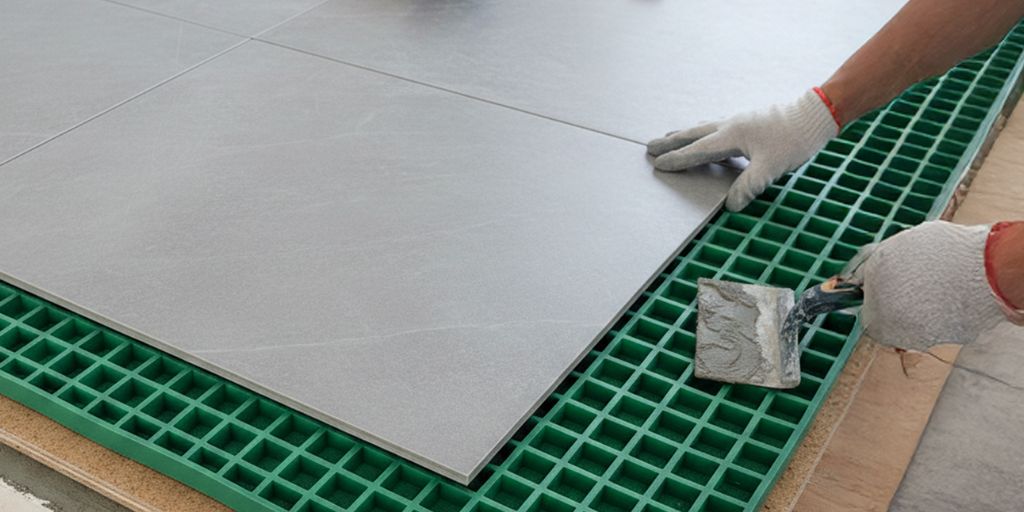
- Tile needs planning. Stone and ceramic naturally make more noise than softer stuff. But with excellent underlayment systems, tile works even in sound-sensitive areas. We’ve put tile in second-floor bathrooms using advanced acoustic underlayments—zero complaints from downstairs.
Installation Tips for Better Sound Control
The installation technique makes or breaks your materials. Even the best soundproof flooring fails without proper work:
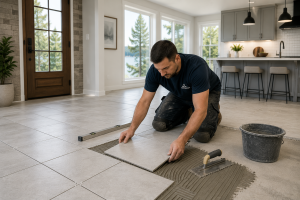
- Subfloor prep counts. Level, clean, solid subfloors let underlayment make full contact. We check and fix subfloor issues before starting—no exceptions.
- Full coverage kills weak points. Overlap seams and seal with acoustic tape to stop sound leaks. Running underlayment slightly up the walls builds acoustic barriers at room edges.
- Floating installations boost results. Floors that don’t attach directly to subfloors disconnect from the structure, cutting vibration transfer. Works perfectly for laminate, engineered hardwood, and luxury vinyl.
- Handle expansion gaps right. You need them for material movement, but wall gaps leak sound. Flexible acoustic sealant in gaps before installing baseboards keeps both expansion room and acoustic seal.
- Layer for maximum impact. Installing MLV under standard underlayment, adding acoustic matting in problem spots, or using specialized systems for tough situations beats single-layer setups every time.
Creating Quiet Spaces: Your Next Steps
Good flooring noise reduction comes down to understanding sound behavior, picking underlayments that handle impact and airborne noise, choosing smart flooring materials for noise control, and nailing the installation. Quality underlayment is your biggest soundproof flooring weapon. Cork, rubber, acoustic foam, and mass-loaded vinyl each work best in different situations. Pair them with noise-smart flooring picks and pro installation, and you get real acoustic comfort.
Pro techniques aren’t extra—they’re required. Proper coverage, sealing, floating installs, and careful transitions make sure your investment actually delivers on reducing footstep noise performance.
At Silver Bo Stone LLC, we bring 24 years of know-how to every job. Our team gets that beautiful flooring needs to work right in your home’s acoustic setup. Whether you’re picking gorgeous tile flooring Bremerton homeowners count on for bathrooms and kitchens, checking out natural stone, or redoing whole floors, we walk you through choices that nail both looks and sound control.
Our 4,000 square foot Poulsbo showroom lets you get hands-on with thousands of samples and talk through your acoustic concerns with our experienced crew. We serve Silverdale, Bainbridge Island, Bremerton, and nearby areas with the detail work that’s defined us for two decades.
Ready to get your quiet back? Come see us for a design consultation, and let’s build a solution that looks amazing and delivers the peace you deserve. Call us at (360) 297-4080.