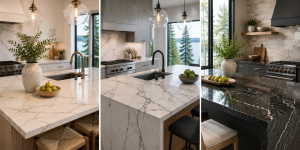
Your floors are failing you, and you may not even know it yet. Glossy tile flooring seems like a safe, timeless choice at first, but the hidden costs show up fast: every wet footstep leaves a mark, every splash makes cleaning feel endless, and every scratch on that polished surface is visible from across the room. Worse, glossy floors in wet areas fall below the minimum Dynamic Coefficient of Friction (DCOF) of 0.42 recommended by the American National Standards Institute for safe indoor use. Skip the right finish now, and you’re looking at years of extra upkeep, a floor that looks worn before its time, and a real slip hazard that no rug can fully fix.
At Silver Bo Stone, we’ve spent 24 years helping homeowners avoid exactly this, because once the wrong floor is down, you’re not just living with a bad choice, you’re paying to undo it.
This blog breaks down exactly why matte finishes are winning over modern homeowners, what the science behind slip ratings actually means for your floors, and how to use matte floor tiles for homes effectively across every room in the house.
Why Glossy Tiles Are Losing Favor
Glossy tiles earn their reputation in a showroom. Under controlled lighting, they shine.
But as soon as you bring them into a real home with cooking steam, wet feet, and muddy pets, the problems start.
The biggest issue is one most tile guides skip over entirely.
The Slip Risk Nobody Mentions About Glossy Floors
Most shiny and polished tiles have an R9 slip rating, which is the lowest rating that is considered safe for use indoors when the floor is dry. Once water hits the surface, that rating drops further. Wet, glossy floors become genuinely hazardous, particularly in bathrooms and kitchens where moisture is constant.
Non-slip matte tiles, by contrast, typically achieve R10 or R11 ratings, classifications specifically recommended for wet residential floors, shower surrounds, and kitchens. That difference isn’t just technical. It’s the difference between a floor that keeps your family safe and one that quietly becomes a liability.
Beyond safety, glossy tiles come with daily frustrations:
- Water spots appear within hours of cleaning
- Micro-scratches from foot traffic scatter light and create a permanent cloudy effect
- The reflective surface amplifies every piece of grime, dust, and footprint
- Hard water areas, which are common in the Pacific Northwest, leave mineral deposits that slowly wear away the gloss
The Matte Advantage: Warmth Meets Practicality
Modern matte tile designs don’t just fix a problem; they really make a room better. The non-reflective surface scatters light softly and evenly, creating a grounded, textural warmth that glossy finishes can’t replicate.
What most homeowners don’t realize is that matte tiles aren’t one-dimensional. Today’s range spans concrete-look porcelain, stone-effect ceramic, wood-grain matte planks, and earthy terracottas, all carrying that same calm, layered finish.
Why Matte Tiles Age Better in High-Traffic Areas
Micro-scratches appear on glossy tiles within a few months of heavy use. Even small scratches show up and spread light because their surface is polished. The floor that looked flawless on install starts looking dull and uneven within a year or two.
Matte finishes, particularly through-body porcelain (where the color runs throughout the tile, not just in a surface glaze), hide this wear completely. The textured surface doesn’t pick up scratch marks the same way, and what does accumulate blends into the natural variation of the finish. That is why the best matte tiles for interior design tend to look as good in year five as they did on day one.
Practical Benefits That Seal the Deal
Here’s a direct comparison of matte and glossy based on the most important factors in a real home:
| Factor | Glossy Tiles | Matte Tiles |
| Slip rating (wet areas) | R9: not recommended | R10–R11: recommended |
| Scratch visibility | High surface polish amplifies marks | Low; texture absorbs minor wear |
| Water spot visibility | Very high | Minimal |
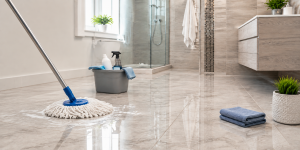
| Maintenance frequency | High; requires regular polishing | Low; weekly cleaning maintains appearance |
| Design longevity | Trend-sensitive, ages visibly | Timeless, ages well |
| Best use | Walls, backsplashes, low-traffic areas | Floors, wet rooms, high-traffic areas |
Low-maintenance tile finishes are not just about saving time. If you pick the wrong finish for the wrong room, you’ll have to buy more specialized cleaners, spend more time scrubbing, and eventually spend more money replacing a floor that’s worn out too soon.
The finish you choose today becomes the floor you live with for the next 20 years. Choose for your lifestyle, not just the showroom.
Best Ways to Use Matte Tiles Now
Matte tiles for bathrooms and kitchens are the most common applications, but the real potential is in how you layer them throughout the house. This is how we help clients make their choice:
- Bathrooms
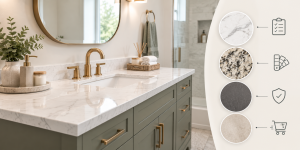
There should never be any exceptions to the rule that floors and shower floors should always be matte. The slip risk on wet, glossy bathroom floors is real, and it compounds with age as the gloss wears unevenly. Use warm grey, stone white, or earthy sand matte finishes on floors, and reserve a glossy or polished surface for feature walls if you want contrast and light reflection.
- Kitchens
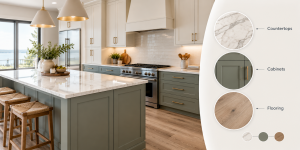
Matte tiles for kitchens manage grease, grit, and spills without broadcasting every splash. On floors, a large-format matte porcelain with minimal grout lines reduces dirt traps and makes cleaning genuinely faster. A glossy tile works well for backsplashes because it is vertical, easy to clean, and adds brightness without making the floor slippery.
Why Matte Tiles Are Better for Homes With Kids and Pets
This one matters more than most guides admit. Matte floor tiles for homes with children or pets resist the visible wear patterns that glossy floors accumulate quickly. Claw marks from pets, scuff marks from shoes, and dried splash rings from water bowls all look different on a matte surface than they do on a polished one.
Beyond aesthetics, the traction a matte surface provides means less slipping for running children and animals with no grip on smooth floors.
The Finish Line: Make the Decision That Lasts
The rise of matte tile isn’t a trend; it’s a correction. Homeowners tried glossy, lived with it, and recognized what was missing: safety, durability, and a finish that works as hard as the people in the house. Low-maintenance tile finishes, correct slip ratings, and surfaces that really get better with age. These are basic requirements for any floor worth installing.
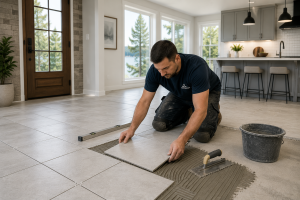
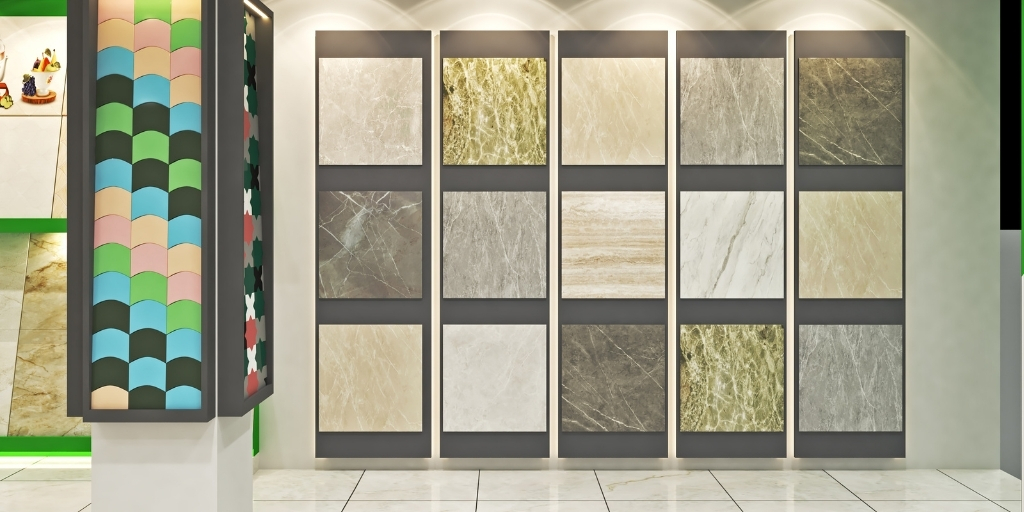
At Silver Bo Stone, we’ve been guiding homeowners through stone and tile decisions for 24 years. Our 4,000 sq ft showroom in Poulsbo, WA, carries an extensive range of modern matte tile designs, from large-format porcelain to natural stone finishes, so you can see, touch, and compare real samples before making a decision.
Whether you’re renovating a kitchen, refreshing matte tiles for bathrooms, or selecting the best matte tiles for interior design across an entire home, our owner, Donny, and our team are here to help you get it right. We proudly serve Bainbridge Island, Silverdale, Bremerton, and the surrounding region.
Every day you delay this decision, your floors are quietly accumulating wear, water damage, and slip risk that compounds over time, and by the time it becomes obvious, the damage is already done. Replacing a wrongly chosen floor is not a weekend fix; it is a full renovation.
Don’t let one avoidable mistake cost you that. Call Silver Bo Stone today at (360) 297-4080 and get it right the first time, before your floors give you no choice but to start over.