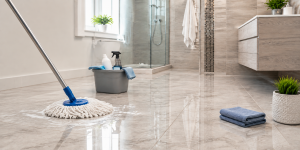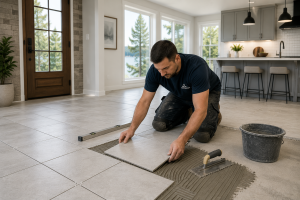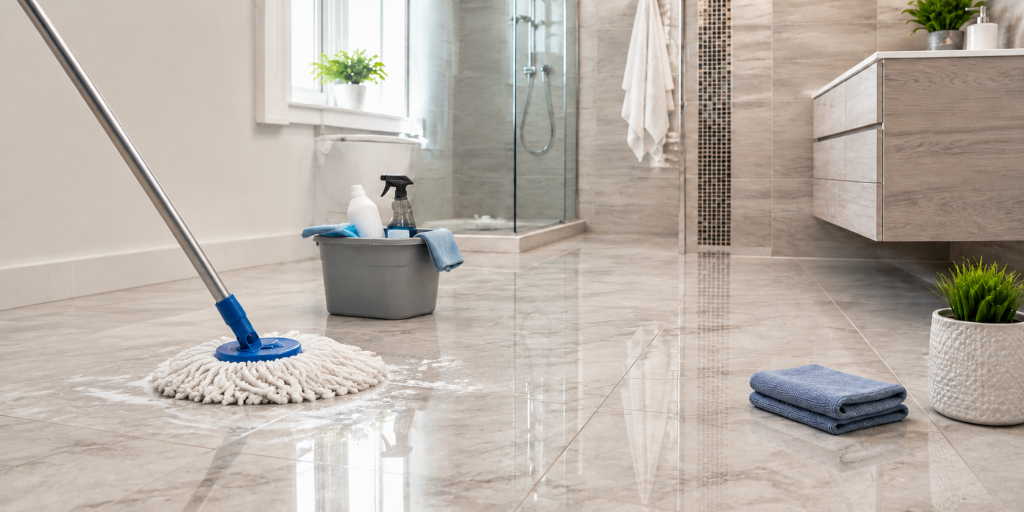
Grout is far more absorbent than most homeowners realize; cement-based grout can soak up nearly 10% of its own weight in water, which means every skipped cleaning session gives moisture, soap residue, and bacteria a direct route into the surface beneath your feet. That absorption doesn’t reverse itself. Also, once staining agents are absorbed into the pores inside the grout, there’s no scrubbing the original color back out. What starts as a light discoloration becomes a permanent mark on the floor. At Silver Bo Stone, we’ve spent nearly 24 years helping homeowners select and maintain tile flooring, and we’ve seen firsthand how much difference a proper routine makes to how long a floor actually lasts.
This guide covers what that routine should look like, from supplies worth keeping on hand to the order of steps that actually protects your floor instead of just making it look clean for a day. We’ll also talk about your grout habits, common mistakes, and regional climate factors that will affect how your bathroom floor holds up over time.
Why Bathroom Tile Floors Need Regular Cleaning
The bathroom floor is subject to more regular stress than almost any other surface in the house. Water, hair, skin cells, and soap film land on it all the time, and it is rarely wiped down between uses, unlike a kitchen counter. That combination is exactly what allows organic buildup to work its way into grout lines before anyone notices anything is wrong.
Here’s the part most people don’t realize: mold doesn’t need days or weeks to establish itself. Research on moisture exposure shows that mold spores can begin colonizing damp surfaces within just 24 to 48 hours, particularly along grout lines and seams where humidity lingers. A bathroom tile flooring cleaning habit isn’t about appearances at that point; it’s about staying ahead of a biological process that starts faster than most people expect.
It only takes one week of an uncleaned floor to give mold a two-week head start by the time most people realize there is a problem.
Supplies You’ll Need for a Weekly Tile Cleaning Routine
Getting this routine right doesn’t require anything specialized. It’s just a matter of using the right type of product for your tile material. The wrong cleaner can be more damaging than the dirt you’re trying to clean.
| Supply | Purpose |
| Soft-bristle broom or vacuum | Removes loose grit before it scratches the surface |
| Microfiber mop or flat pad | Cleans without abrasion on glazed or natural tile |
| pH-neutral tile cleaner | Cleans without breaking down grout or sealant over time |
| Small grout brush with soft bristles | Loosens buildup without wearing down grout lines |
| Microfiber drying towels | Removes residual moisture after mopping |
Stone tile and porcelain tile react differently to cleaning products. Porcelain is dense and mostly non-porous, so it can take most gentle cleaners fairly well. Natural stone, however, will react to acidity almost immediately, and that is why the right choice of product is as important as the cleaning schedule itself.
Step-by-Step Weekly Cleaning Process
When you have the right supplies, the actual cleaning process is four steps in a specific order. Things usually start to go wrong when you skip or reorder them.
Sweep or Vacuum Loose Dirt and Debris
Dry debris left on a tile floor acts like sandpaper the moment a wet mop drags across it. First, sweep or vacuum, including corners and behind fixtures, so that the next step does not grind fine grit into the glaze.
Pre-Treat Grout Lines and Stains
Grout lines hold onto dirt differently than the tile surface around them. Applying a tile and grout cleaner directly to visibly soiled lines and letting it sit for a few minutes gives it time to loosen buildup before you start mopping, rather than asking the mop to do all the work at once.
Mop with a Tile-Safe Cleaning Solution
A diluted pH-neutral tile cleaner, applied in small sections with frequent mop rinses, is often considered the best way to clean tile floors without leaving behind a hazy film or gradually stripping away sealant.
Keep Your Floor Dry to Avoid Water Spots and Mold
This is the step most often skipped, but it is the most important. Even 20 or 30 minutes of standing moisture on a tile floor is sufficient to feed the early stage of mold colonization mentioned above. A quick swipe of a microfiber towel or squeegee can close that window.
Tips for Keeping Grout Clean Between Deep Cleans
Grout ages differently than tile because of how porous it is by design. A handful of small habits, done consistently, keep it from reaching the point where it needs aggressive scrubbing.
- Wipe up splashes and puddles as soon as they happen, rather than letting them sit.
- Run the bathroom exhaust fan during and for at least 20 minutes after every shower.
- Brush grout lightly on a weekly basis instead of waiting for visible staining.
- Reseal grout on a regular schedule, since sealant naturally wears down with use.
- Keep dirty shoes and slippers off freshly mopped, still-damp grout.
If you’ve ever wondered how to clean grout lines without scrubbing, the honest answer is that consistency replaces the need for force. Grout that’s addressed weekly rarely reaches the point where scrubbing is even necessary.
Common Cleaning Mistakes That Damage Tile and Grout
Some of the most common bathroom cleaning habits actually work against the floor rather than for it.
| Mistake | What It Actually Does |
| Harsh chemicals or bleach-based cleaners | Break down grout structure and dull tile finishes over time |
| Abrasive scrub pads or steel wool | Create fine scratches that trap dirt permanently |
| Excess water during mopping | Pushes moisture deeper into grout, feeding mold growth |
| Skipping the drying step | Leaves the exact conditions mold needs to establish |
| Letting stains sit before treating them | Allows staining compounds to bond into the pore structure |
Knowing what cleaner is safe for porcelain tile versus natural stone prevents a lot of this damage before it starts. Porcelain is more forgiving in terms of the products you can use, but natural stone requires something specifically formulated for its chemistry, as even a mildly acidic cleaner can permanently etch the surface.
Sealed grout that’s cleaned weekly can go years without visible staining. Unsealed, neglected grout often shows permanent discoloration within about 18 months.
How Silverdale’s Climate Affects Bathroom Tile Maintenance
Local weather patterns play a bigger role in bathroom floor maintenance than most homeowners consider. Silverdale sits in a region where average relative humidity runs around 73% for the year, climbing into the 80s during the wetter winter months. That kind of ambient moisture means bathrooms here are already starting from a more humid baseline than homes in drier climates, which shortens the margin for error when it comes to drying floors after use.
A few climate-conscious adjustments make a real difference:
- Run the exhaust fan longer during winter months when outdoor humidity is at its peak.
- Crack a window briefly after showers when weather allows for airflow.
- Check grout for softness or discoloration each season, since regional moisture accelerates wear.
- Prioritize mold and mildew prevention bathroom habits year-round rather than only during obviously damp weather.
Tile floor care in coastal climates: routines like these aren’t optional extras here. Given how consistently humid the air stays throughout the year, humidity and tile floors in Silverdale, WA are a pairing worth taking seriously rather than treating as a minor seasonal concern.
When to Call a Professional for Deep Cleaning or Resealing
Even a disciplined weekly routine has limits. If grout feels soft, crumbly, or rough to the touch, or if a musty smell persists no matter how often you clean, those are signs that surface cleaning alone won’t solve the problem anymore. At that point, resealing or a professional deep clean becomes the only way to actually reverse the damage rather than mask it.
At Silver Bo Stone, our team works directly with homeowners to evaluate whether a floor needs resealing or whether it’s reached the point where new flooring makes more sense. With nearly 24 years of hands-on experience in stone and tile, we can usually tell within minutes which direction makes sense for a given floor.
Final Thoughts: Building a Sustainable Cleaning Habit
Tile floor maintenance works best as a habit, not a project. How often should you clean bathroom tile floors? Weekly is the standard most professionals recommend, paired with a deeper clean every few months to catch anything the weekly routine missed. Homes that follow this pattern consistently avoid the staining, odor, and grout deterioration that otherwise builds up quietly over time.
Learning how to keep bathroom tile floors shiny and learning how to prevent mold on bathroom tile both come down to the same underlying discipline: sweep first, treat the grout, mop with the right product, and always finish by drying the surface completely.
Protecting Your Floor for the Long Run
A well-maintained bathroom floor comes down to a handful of consistent habits rather than any single product or trick. Sweeping before mopping, pre-treating grout, using a pH-neutral tile cleaner, and drying the surface thoroughly each time addresses the exact conditions that lead to staining, mold, and premature wear on tile flooring.
At Silver Bo Stone, we bring nearly 24 years of experience helping homeowners throughout Poulsbo, Silverdale, Bainbridge Island, and Bremerton choose stone and tile surfaces that hold up to daily life. Beyond guidance on care and maintenance, our showroom offers a hands-on look at flooring options for anyone ready to upgrade a bathroom that’s past the point routine cleaning can fix.
If your bathroom tile cleaning routine in Silverdale isn’t keeping pace with wear, or you’re noticing grout that won’t respond to cleaning anymore, it’s worth having a conversation before the damage becomes permanent. Reach out to our team at (360) 297-4080 or stop by our Poulsbo showroom to talk through your options for tile flooring maintenance that Pacific Northwest homes need to stay ahead of.