Choosing the right flooring for your home is one of the most important decisions a homeowner makes when remodeling or building a new house. Among these, two of the most basic choices homeowners make are tile and wood flooring. Both materials have different advantages and aesthetic appeal, but sometimes it becomes difficult to know which one you need in your lifestyle and your house. In this comprehensive blog, we’ll explore the pros and cons of natural wood floors vs. wood-look tiles, how each material holds up over time, their maintenance requirements, price differences, comfort levels, and environmental impact. By the end, you’ll have a clear understanding of which flooring solution aligns best with your needs and how Silver Bo Stone LLC can help bring your vision to life.
Tile vs. Wood: Which Option Looks Better in Your Home?
Many flooring decisions are aesthetically driven. Although both tile and wood have a beauty that is never out of style, they express two different styles in different ways.
Natural wood floors exude warmth, sophistication, and natural charm, making them ideal for those seeking an authentic, classic look. Each plank has a unique grain pattern, and the variety of finishes ranges from light oak to deep mahogany, ensuring flexibility for most design aesthetics. However, wood can sometimes be limiting in terms of moisture-prone areas like bathrooms.
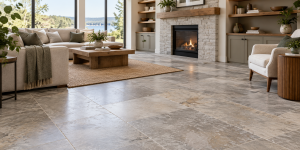
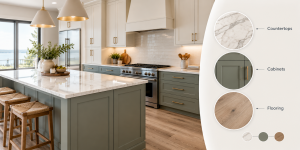
On the other hand, wood floor tiles have made significant advancements in recent years. Thanks to modern manufacturing techniques, they now mimic the appearance of wood so closely that it’s often difficult to tell the difference. They give the room a rustic but natural look but now also offer moisture resistance, so they are great for bathrooms and kitchens. They also offer more color and texture flexibility, ranging from super smooth to distressed.
Natural wood floors vs. wood-look tiles for bathrooms is a crucial consideration, particularly in damp environments. While wood floors provide warmth, wood-look tiles perform well in areas with more moisture because they are naturally water-resistant.
How Tile and Wood Flooring Hold Up Over Time?!
Durability is another crucial factor when choosing between natural wooden floors vs. tiles. Wooden materials, like tile, can last for a long time. However, the durability usually associated with resistance to wear and tear by the environment and use differs.
Natural wood flooring is prone to scratching and denting, especially in high-traffic areas. Eventually, wood floors must be refinished to preserve their appearance. However, if cared for properly, wood floors can last decades, and many people appreciate the character that aging wood develops. Engineered wood flooring, in particular, is usually harder than solid hardwood and better suited for areas(especially in comparison with tile flooring) that experience different humidity levels.
Tile flooring, on the other hand, is virtually indestructible. Porcelain and ceramic tiles are resistant both to scratching and moisture and are very durable, such as in areas of heavy traffic or where spills are a major problem. Unlike tile flooring, wood flooring will warp and swell in a wet environment, so bathrooms, kitchens, and entryways are some of its favored areas.
Comparing the Care Requirements of Tile and Wood
When it comes to maintenance, natural wood floors vs. wood-look tiles have distinct pros and cons.
Wood flooring is rather high maintenance. It must be swept and vacuumed often, preventing dirt and other debris from scratching its surface. After every few years, wooden floors require refinishing, which is the process of having them shine again and protect them from surface damage. Special cleaning agents for wood are recommended because excess moisture will warp or swell the wood, making it .
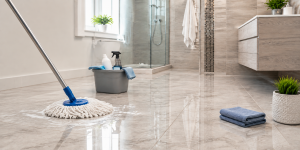
Wood-like tiles are much easier to clean, however. A quick mop and sweeping are usually all required for tile flooring to remain refreshed. Tiles are also far less sensitive to spills or water exposure due to their ability not to absorb moisture. Unlike certain types of flooring, such as wood and laminate flooring, tiles do not require refinishing and special treatments, thus making them ideal for busy families who lack sufficient time to clean up or clean their floors.
What You Need to Know About Tile and Wood Flooring Prices
Cost is another major consideration when choosing between engineered wood flooring vs. tile cost or wooden floor vs. tile price.
Natural wood floors usually cost more upfront because of the material and installation costs. It depends on what kind of wood you want to install. Some types, like Brazilian cherry or teak, are very pricey. Comparatively, oak or pine costs half. Installation costs tend to be higher for wood because of more precise cutting and finishing. There also can be added costs down the line for refinishing.
Wood-look tiles, on the other hand, are relatively cost-effective. As mentioned earlier, while the starting price for quality porcelain or ceramics is sometimes at par with that of some wood options, a tile installation usually requires less labor and, hence, is cheaper. With lower long-term maintenance requirements, tiles are often a more cost-effective choice in the long run.
Another comparison needed to determine which of the two might be considered cheaper in real life is their long-term duration and maintenance costs. Natural wood floors may be more expensive to buy, but tiles, most likely, cost less in the long run because they might last longer, be less costly in terms of maintenance, and have much easier cleaning.
Which Flooring Option Offers More Comfort?
Comfort is often ignored when considering the pros and cons of natural wood floors vs. wood-look tiles. The flooring fabric can make a big difference in how your living space feels. Wood floors are generally warmer underfoot than tile. They offer a soft, natural surface that is more comfortable to walk on, especially in bedrooms or living rooms. Wood holds heat much better than tile, making it a cozier option for cooler climates.
While very strong and cleanability-friendly, tiles are often colder and more unforgiving underfoot, particularly in winter. However, for those who need the cosmetic value of tile, underfloor heating can add comfort and warmth to bring tile into play, even in colder climates. Tile is also less forgiving of drops, so it is not as suitable for households with small children or older adults, who may be more likely to have accidental falls.
How Tile and Wood Flooring Impact the Environment
In today’s world, the environmental impact of materials is an important consideration for many homeowners. Both wood and tile flooring have varying degrees of eco-friendliness.
When sourced from sustainable forests, wood flooring can be a renewable resource. Many manufacturers offer products certified by the Forest Stewardship Council (FSC), ensuring the wood is harvested responsibly. However, it’s important to consider that wood flooring production often involves deforestation and significant energy consumption during processing.
Tile flooring is often made from natural materials like clay and sand, which are abundant resources. However, the manufacturing process for tiles, especially ceramic and porcelain, can be energy-intensive, leading to a larger carbon footprint. Additionally, many tile manufacturers now produce eco-friendly tiles made from recycled materials, reducing the environmental impact.
When weighing the environmental impact of natural wood floors vs. wood-look tiles pros and cons, both options offer eco-friendly solutions depending on the manufacturer and source. Choosing FSC-certified wood or recycled tiles can significantly reduce the environmental footprint of your flooring.
Final Takeaway
When it comes to choosing between natural wood floors vs. wood-look tiles, there is no one-size-fits-all solution. Your decision should depend on your home’s aesthetic, the amount of foot traffic in the area, your maintenance preferences, budget, and environmental considerations.
Natural wood floors provide timeless beauty, warmth, and elegance, making them a popular choice for living rooms and bedrooms. However, they require regular maintenance and are not ideal for moisture-prone areas like bathrooms or kitchens. On the other hand, wood-look tiles offer a durable, low-maintenance alternative that mimics the look of wood while offering superior moisture resistance and durability, especially in high-traffic areas.
At Silver Bo Stone LLC, we understand that every homeowner’s needs are unique. Whether you prefer the authentic beauty of natural wood or the practicality of wood-look tiles, our team is here to help you find the perfect flooring solution for your space. With our extensive range of high-quality products and expert installation services, we’ll ensure your new floors are not only beautiful but also built to last.
Ready to transform your home with the perfect flooring? Contact Silver Bo Stone LLC at (360) 297-4080 today, and let us help you find the best solution for your space.