Bathroom falls are not accidents; they are the direct result of flooring decisions made years before the fall actually happens. The wrong tile flooring does not just look outdated; it actively puts your family at risk every single morning, because soap scum, steam, and standing water turn any smooth tile surface into a slip-and-fall waiting to happen.
If this goes unaddressed, it is not a question of whether someone gets hurt; it is a question of when.
At Silver Bo Stone, with 24 years of experience serving Bremerton, Bainbridge Island, and the wider Puget Sound region, we help families make this decision correctly before the consequences make it for them.
This guide covers everything that genuinely matters when choosing slip‑resistant tile flooring, from how safety ratings actually work to which materials and finishes perform best in permanently wet conditions.
Why Slip‑Resistance Matters in Bathroom Tile Flooring
According to the CDC, nearly 235,000 people visit emergency rooms annually due to bathroom injuries, with slippery floors identified as the leading cause. No demographic is immune, but children and older adults face the highest risk. Non‑slip bathroom tiles are not an upgrade; they are a fundamental safety requirement, and treating them as optional is a decision most homeowners deeply regret after an incident occurs.
Understanding Slip‑Resistance Ratings for Bathroom Tiles
Not all tiles labeled “non-slip” perform equally in real wet conditions, and understanding the rating systems is the only way to make a purchase decision you can actually trust.
Rating System | Measures | Safe Minimum for Bathrooms |
|---|---|---|
COF (Coefficient of Friction) | Friction between the foot and the tile surface | ≥ 0.60 wet |
R Rating (DIN 51130) | Slip resistance under wet conditions | R10 or higher |
Most standard tiles fall at R9 or below; adequate for dry areas, but dangerously insufficient for bathroom floors. A tile that looks textured is not automatically safe; always verify the specification rating before purchasing any anti‑slip tile options.
What most buyers never check:
A polished marble tile and a wet ice rink share nearly identical friction coefficients. That is the floor most people are currently walking on barefoot every morning.
Best Slip‑Resistant Tile Materials for Bathroom Floors
Surface appearance has almost nothing to do with how a tile performs underfoot when wet, which is why material selection is where most homeowners make their most consequential mistake.
- Porcelain: Dense, highly water-resistant, and the most reliable choice for tile flooring for high‑moisture rooms when selected with a matte or grip finish
- Ceramic: A practical and affordable alternative that performs well in lower-traffic bathrooms when chosen with a properly textured glaze
- Natural Stone: Finish-dependent above all else; a honed or brushed stone floor is safe, while a polished finish becomes genuinely hazardous the moment it contacts water
- Mosaic: The high grout-line density created by small tile sizes translates directly into more surface friction, making it one of the best tiles for wet areas available
Textured Tile Options That Provide Extra Grip
Surface texture is the most underrated safety factor in bathroom flooring, and most buyers focus entirely on color and pattern while overlooking the one variable that determines whether the floor is actually safe to use barefoot.
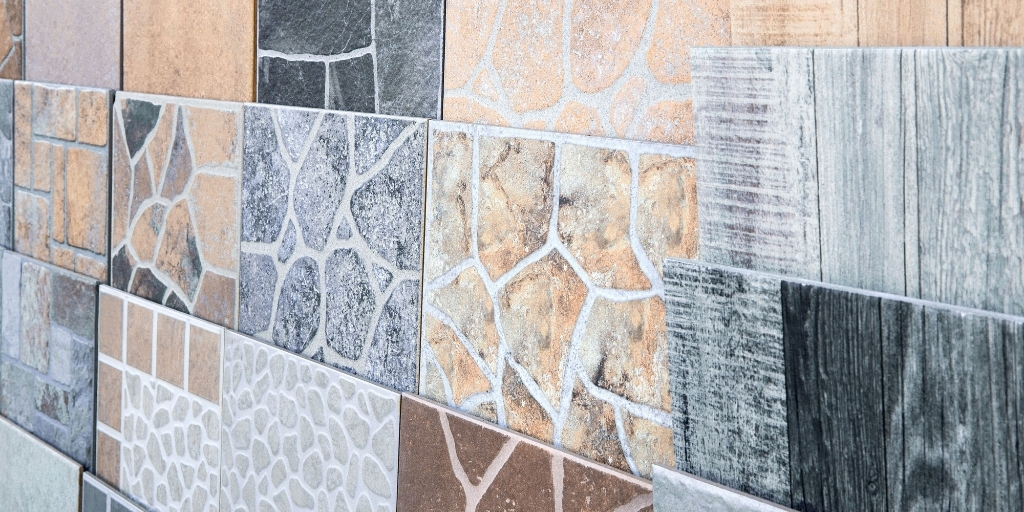
Textured tile flooring increases the number of physical contact points between your foot and the floor surface, which reduces slipping even when the tile is completely saturated. The most effective bathroom tile surface textures for wet environments include micro-textured porcelain, which carries a fine grit-like surface that grips wet feet effectively despite looking smooth; wood-grain embossed tiles, where the groove pattern adds meaningful friction without an industrial appearance; and slate-effect tiles, which replicate the natural cleft surface of real slate for reliable grip in consistently wet areas.
A medium texture depth balances safety performance with practical everyday maintenance, since deeper textures collect soap residue more aggressively.
Mosaic Tiles: A Stylish and Safe Option for Wet Areas
A standard 12×12 tile produces approximately 4 linear inches of grout per square foot, while a 2×2 mosaic layout generates over 24 linear inches in that same space, and every one of those grout lines adds friction. This is why mosaics consistently rank among the smartest bathroom floor tile ideas for shower floors and wet zones, combining strong safety performance with design flexibility that large-format tiles simply cannot offer in tight or curved spaces.
Porcelain Tiles With Matte or Anti‑Slip Finishes
Porcelain bathroom tile with a matte or anti-slip finish is the most consistently recommended choice by flooring professionals because the matte surface creates micro-resistance that polished tiles are entirely incapable of providing. When selecting moisture‑resistant bathroom flooring in porcelain, look specifically for through-body construction, which ensures surface wear does not gradually reduce grip over time, and a COF wet rating of ≥ 0.60, which is the non-negotiable minimum for any bathroom floor. Ceramic bathroom tile with a grip glaze serves as a reliable alternative for lower-traffic bathrooms, while anti‑slip matte tile in either material remains the most straightforward path to a safe, visually clean floor.
Natural Stone Tiles That Offer Slip‑Resistance
Natural stone adds genuine visual richness to any bathroom, but the finish is the single factor that determines whether that floor is an asset or a liability.
Stone | Safe Finish | Avoid |
|---|---|---|
Granite | Honed, brushed, flamed | Polished |
Marble | Honed | Polished, glossy |
Slate | Natural cleft | Gauged smooth |
Travertine | Filled and honed | Open-pore polished |
A honed granite floor delivers the same visual depth as a polished one while performing dramatically better the moment water hits the surface, which in any bathroom happens multiple times daily.
How Tile Size Affects Slip‑Resistance in Bathrooms
Large-format tiles reduce the total number of grout lines across a floor, which directly reduces grip. For shower floors, tiles should not exceed 4×4 inches, and for general bathroom floors, 12×12 is a practical upper limit. If the large-format look is a priority, pairing those tiles with a deeply textured surface and wider grout joints will recover much of the friction that fewer grout lines remove.
Best Grout Choices to Improve Bathroom Floor Safety
Epoxy grout is the strongest performing option for bathroom floors; completely non-porous, stain-resistant, and built to withstand permanent moisture exposure without cracking or loosening surrounding tiles. Unsealed or deteriorating grout, by contrast, traps moisture beneath the tile surface and gradually causes subfloor damage that creates uneven flooring, a hazard that compounds the original slip risk rather than addressing it.
Tips for Maintaining Slip‑Resistant Tile Flooring
Even the best anti‑slip tile options lose their performance advantage through poor maintenance habits, and most of the damage accumulates through cleaning routines that seem harmless on the surface.
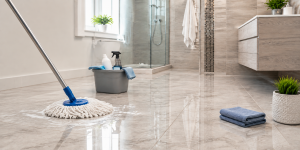
- Use a pH-neutral cleaner weekly, since acidic products degrade tile texture progressively and reduce grip over time.
- Re-seal natural stone annually to preserve the honed finish that makes it safe for wet conditions.
- Inspect and repair grout cracks every six months before moisture works beneath the tile surface.
- Never apply wax-based polish to bathroom floors, as it fills surface texture and effectively eliminates the slip resistance of any anti‑slip matte tile.
A bathroom that looks clean can still have critically degraded slip resistance, and most homeowners only discover this after someone falls.
Your Next Step Toward a Safer Bathroom Floor
Safe slip‑resistant tile flooring requires five things working together: the right material, the correct finish, an appropriate tile size, high-performance grout, and consistent maintenance. Weakening any single factor compromises the entire system, and the result is a floor that appears safe but fails exactly when it matters most.
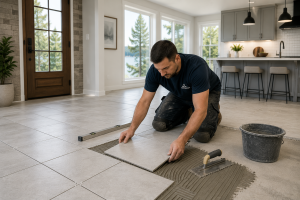
Silver Bo Stone has spent 24 years helping homeowners across Bremerton, Bainbridge Island, Silverdale, and the surrounding Puget Sound region make these decisions with confidence. Our Poulsbo showroom carries an extensive selection of porcelain bathroom tile, natural stone, mosaic, and ceramic bathroom tile options, all available to see and touch in person before any commitment is made. From full bathroom remodel flooring projects to targeted safety upgrades, our team brings the same depth of expertise to every job.
Call Silver Bo Stone at (360) 297-4080 to schedule your consultation, because the right time to address a slippery bathroom floor is before someone in your home gets hurt, not after.